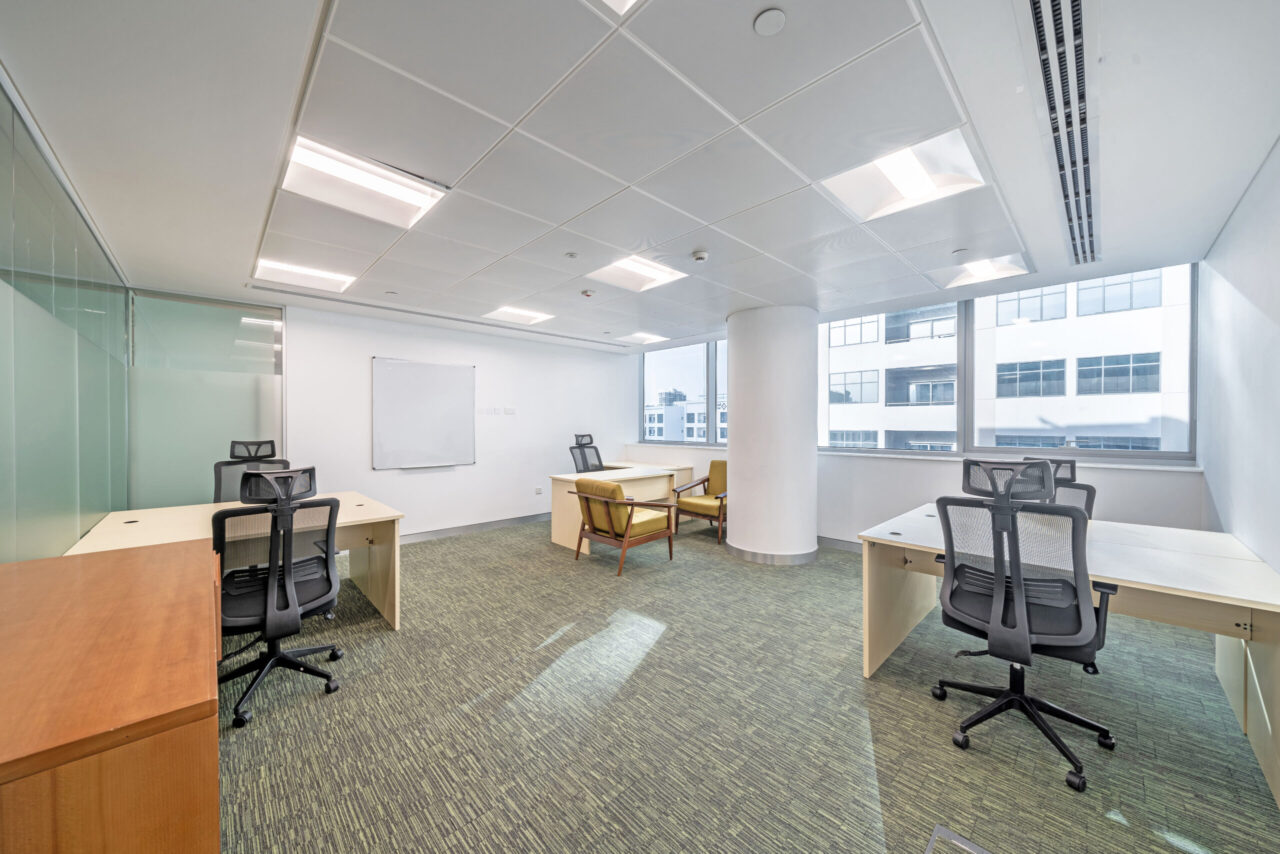
An office is not only a room where the employees perform their day-to-day activities. It is an interaction space that communicates much about co-working, innovation, and the work environment. An effectively optimized office space becomes greater than what it would otherwise be—it is a people developer, unites people, and generates a sense of love for employees.
Staff association transcends formal co-working. It is an informal relationship among the employees themselves on the basis of shared experience, shared teamwork, and shared values. Open office floor plans directly affect the way employees think about themselves, others, and the company itself. To ensure that your workplace space performs optimally to enable the association of workers, keep reading, and you will have a workplace that not only becomes productive but also social.
Know Employee Association in the Workplace
Employee association is the gauge by which the work may be handled professionally and personally by the workers. This kind of culture encourages communication, morale, and productivity. Organisations that do not take into account such a variable have members who are labouring in silos that hinder creativity as well as destroy the company culture.
Office design carries a silent but strong effect in promoting such cooperation. From the placement of the desks to the amount of open space, everything encourages partnership or discourages it. The more intentional the design, the stronger the team.
Partnership Without Sacrifice: Designing for Both
Open spaces have worked together, but are interrupted. Closed space and open space must live together so that employee affiliation can be enabled.
- Open spaces for discussion: Create room for the staff to gather freely to think, water cooler discussions, or random huddles. They could be shared tables, round tables, or sofas.
- Focus rooms: All of that does not get discussed. To offer more than one room, pods, or soundproof rooms where the staff can withdraw and concentrate when they need to avoid rage from getting simmered at the bud offices in hectic offices.
When you optimize office space for employee association, it gives employees the freedom to decide how work should be done, fostering real affiliation without invading their work.
Role of Shared Spaces in Creating Bonding
Cafeterias, break rooms, and lounges are not optimize office space but are compromised afterthoughts since they provide the most fundamental role of facilitating informal relationships. The spaces are creating space for daily conversation that makes space for employees to develop relationships outside of work.
- Cafeterias or coffee corners: Employees during lunch time or coffee break socialise about non-work topics, and establish rapport.
- Leisure spaces: There are almost no spaces, such as a reading space, child play space, or relaxation space, which compel the staff to one place to relax, creating an association in a relaxed mood.
- Reception and waiting spaces: Even the reception room can be planned as a spacious open area, which naturally illustrates inclusiveness as its character.
When you optimize office space for employee association, staff naturally feel a sense of belonging and develop stronger affiliation.
Combining Flexible Workspace
Flexible working spaces are becoming the new reality in today’s workplace, and when you optimize office space for employee association, workers gain the freedom to move beyond a single desk while enjoying more opportunities for social interaction
- Hot-desking or activity-based working: As part of moving to another department, the workers have an opportunity to interact with workers who work for different departments.
- Modular furniture: As the partitions, chairs, and desks are also movable, groups have sufficient room space to arrange the space based on work, thus enhancing collaboration.
- Hybrid meeting spaces: Hybrid or remote arrangement in the conference rooms with the amenities of electronic collaboration provides in-house and remote workers a feeling of equity regarding being connected.
Flexibility takes away the tedium and allows employees to spend extra time with other people and hence create a larger acquaintance circle within the firm.
Light, Colour, and Atmosphere Do Matter
The atmosphere sets the mood for workers’ emotions and interactions.
- Natural light: Natural light offices enhance mood and allow employees to work longer hours in shared spaces.
- Colour and design: Comfort-giving focus-allowing soothing colours are offered to closed spaces, and warm and bright colours that allow expending energy and activation are provided to open spaces.
- Biophilic design: Intercrop utilisation and use of natural materials resulted in a revitalising space where the working team would feel relaxed to sit and remain.
The whole office infrastructure has to be the perfect mix of relaxation and energy in such a way that the staff is de-stressed as well as charged.
Technology as Association Enabler
Physical locations of the world can now be expanded through technology, making communication convenient.
- Meeting room software: Video conferencing and virtual whiteboards enable easy communication with outstation employees.
- Shared virtual screens: Employees’ achievements, company news, or social remembrances express company pride.
- Smart scheduling software: Enable staff to instantly reserve meeting rooms, workspaces, or collaborative spaces and use space without conflict.
Where technology is incorporated into space, physical and virtual connections are strengthened.
Facilitating Movement and Interaction
Spaces that allow movement allow employees to talk freely. Single, continuous corridors and assigned cubicles restrict affiliation, and open corridors and open areas encourage conversation.
- Centre facilities: Place cafeterias, lounges, or copy rooms at centre locations, so employees from various departments are compelled to interact.
- Stairwells and walk aisles: Offer a staircase passageway or walk-through space in the office to encourage casual association.
- Open visibility: Transparent partitions or glass walls are utilised to extend open space where casual interaction among workers takes place.
Random variation of the office layout helps to maintain an interactive work environment that facilitates interaction.
Cultural and Organisational Integration
Space design alone will never award affiliation to the employees until and unless it’s culture-based. Organisation values must be communicated through the design and behavioural empowerment to develop an equal sense of oneness and team.
- Celebration spaces: Where celebration of success or event planning is on, make the employees feel special.
- Inclusive space planning: Differently abled staff employees’ wheelchair-accessible space makes all employees feel special equally.
- Feedback-driven space design: Since the workers are partakers of redesigning or design alteration of the workplace, they are the owners of the space, and this enhances the feeling of belongingness.
Where there is a possibility of culture and design to be equally matched side by side in harmony, association is apt to take place naturally as part of the workplace.
Why Optimised Office Space Unites Employees
The most perfectly optimised office environment is not just an eyecatcher—stated, it redefines the behaviour of how employees work and interact with one another. Office design evolved in a more contemplative manner, building confidence, promoting diversity, and encouraging cooperation. Workers who believe that they belong to groups of individuals become dedicated, devoted, and enthusiastic to the company.
Since the modern world of business is as competitive as it can get, and employee satisfaction and loyalty are mirrors of profitability, space optimization is a no-choice option. It is a strategic necessity that also generates personal passion and corporate renewal.
FAQs
What is the reason office design affects employee affiliation?
Office space determines the way in which employees relate with each other through the provision of space for association, individualism, and socialisation. Design, atmosphere, and amenities facilitate or discourage association.
What are some important office amenities that facilitate employee affiliation?
Break-out space, common space, flexible space, natural light, and technology-enabled meeting space function quite well in facilitating employee association.
Does flexible space facilitate employee interaction?
Yes. Flexible seating, hot-desking, and shared meeting spaces make workers change seats, mingle with other individuals, and engage in spontaneous conversation.
Why are collaborative areas so influential in the office?
Collaborative areas such as lounges, cafeterias, and rec rooms provide room for spontaneous conversation that fosters personal rapport among workers who construct company culture.
Is it really a big investment to optimize office space?
Not necessarily. Small adjustments such as extra lighting, seat rearrangement, or even modular furniture installation can cause employees to socialise with each other at minimal initial costs.
Interesting Reads:
Choosing Meeting Rooms in Dubai That Really Impress Clients.
Essential Coworking Space Tips You Must Know Before You Start.
How to Choose the Right Business Centre in Dubai for Your Company.